Snowy Range Pass

Snowy Range Pass

Sunday, October 17, 2010

Maumee Bay State Park


The tragic loss of our blogland friends Bruce and Margie, who were killed by a suicidal driver, while taking a morning walk just outside of their RV Park, reminds us again of our uncertain time here. It is important to enjoy life every day as the next sunrise is never a certainty for any of us. Our thoughts and prayers are with their family.

We have spent a very pleasant 10 days at one our favorite campgrounds. Maumee Bay State Park is located on the southern shore of Lake Erie just east of Toledo, Ohio. We have been coming here for years and now that we no longer live in Ohio, it is a great place to stay while visiting with friends. This time we also managed to be here during an extended period of excellent weather. There are views of the lake, hiking trails to enjoy the fall colors, and wildlife.

Saturday, October 09, 2010

First week in Ohio


Returning to Ohio is as close as we come to coming home. We have lived in Ohio on three separate occasions for a total of 18 years. With most of that time spent in the Toledo area. We spent our first weekend here in Clyde for a Winnebago get together sponsored by Town and Country RV. This is their fourth annual rally of appreciation for the owners of Winnebago motorhomes. There are games, food and entertainment. Nine coaches from our club attended, so it was a great chance for us to spend time with our friends. It was a good weekend, only slightly dampened by steady rain all day and night Saturday.

Leaving the rain soaked grass field we all parked in on Sunday without incident, the next stop was Delta, Ohio and a service appointment at our motorhome dealer. We make this trip each fall to have it serviced at the place we bought it simply because they are reliable, honest, and capable of getting things done properly and quickly on coach, chassis and engine service. I read many blogs where there is always a problem with getting even simple parts. We had some last minute parts that were needed either due to unknown problems, or things we decided we wanted only after we arrived. They were able to order them immediately and have them delivered the next day. This has been a consistent practice in the four years we have had service here. They are also truck dealers and operate a farm.

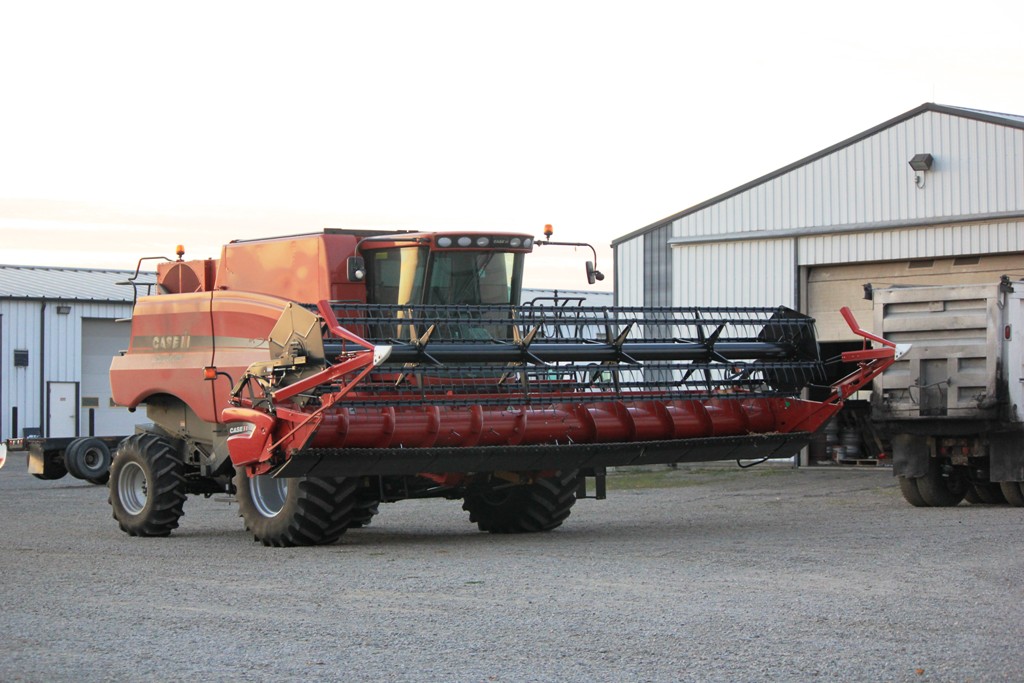
Since they ensure that the coach is available each evening for us to camp in, we spend our nights at the dealership. We are entertained by looking at the new and used units and watching the busy harvesting season activity that goes on all around it. Farming is still the hard work I remember from growing up on a farm. During the day we spend visiting with friends.

Thursday, September 30, 2010

On our way to Ohio


We have decided to push east to attend a gathering of Winnebago owners in Clyde, Ohio. This is being sponsored by the local RV dealer and will include many members from our Ohio club. So we have made it to Shipshewana in two days from Amana, Iowa. Last night we stopped at the red Caboose campground in Remington, IN, that happens to be on top of an exit for I-65. It seems that every semi getting off the exit was using the Jake break on the ramp.

Since we have been in Shipshewana and the surrounding Amish area numerous times, we did not need to do any sightseeing, but hit the local markets for Amish specialties. We also picked up a fresh pork dog bone for Halley. That was a big hit.

Even though the temperatures here are moderate, the decorations reminded us that fall is here. It has been a short and pleasant stay.

Tuesday, September 28, 2010

Amana Colonies


The Amana Colonies were settled by German immigrants seeking a safe haven for their religious beliefs. They were not accepted by the government and established church in Germany. After first settling near Buffalo, NY, they moved west to Iowa to escape influence from the growing population around the city that interfered with their desire for a more isolated existence.

They settled in what is known as the Amana Colonies in the mid 1800’s and for over eighty years lived a remote and communal life style ruled by the church elders. Each family was assigned housing and the type of work they would perform in the community. No one received pay, but was provided what they were determined to need by the elders. They ate in communal groups and lived a regulated life. Oddly, marriage was not encouraged, rather remaining single and celibate was considered more pious and desirable. Despite this view, marriage flourished within the colony.

By the early 1920’s, there was growing unrest with the restrictions of the lifestyle often resulting from increasing contact with the outside world. By early 1930, the colony was in crisis. Because of the economic woes caused by the Great Depression and a growing problem of many of the members of the commune not doing any work. These members felt that since they were provided food, shelter and other needs by the group, whether they worked or not, were unwilling to work. This became such a problem that the commune had to hire outside workers. (Does any of this sound familiar?)

So in 1932, the group decided to abandon the commune lifestyle, form an association to manage the land on a profit sharing basis for those willing to work and a separate church association for those who wished to continue in the beliefs of the church. The daily lives of members were now to be decided by the members themselves.

Today the profit sharing organization still manages a large amount of farm and other lands and owns a number of the stores and tourist attractions in the seven colonies. Because the houses and communal buildings were not distributed among the members, many of these structures still remain today. The colonies have become an active tourist destination mostly consisting of restaurants, gifts shops, several colony related museums and a driving tour of the colonies.